Blog and News
How Much Does Industrial Flooring Maintenance Cost Over 10 Years?
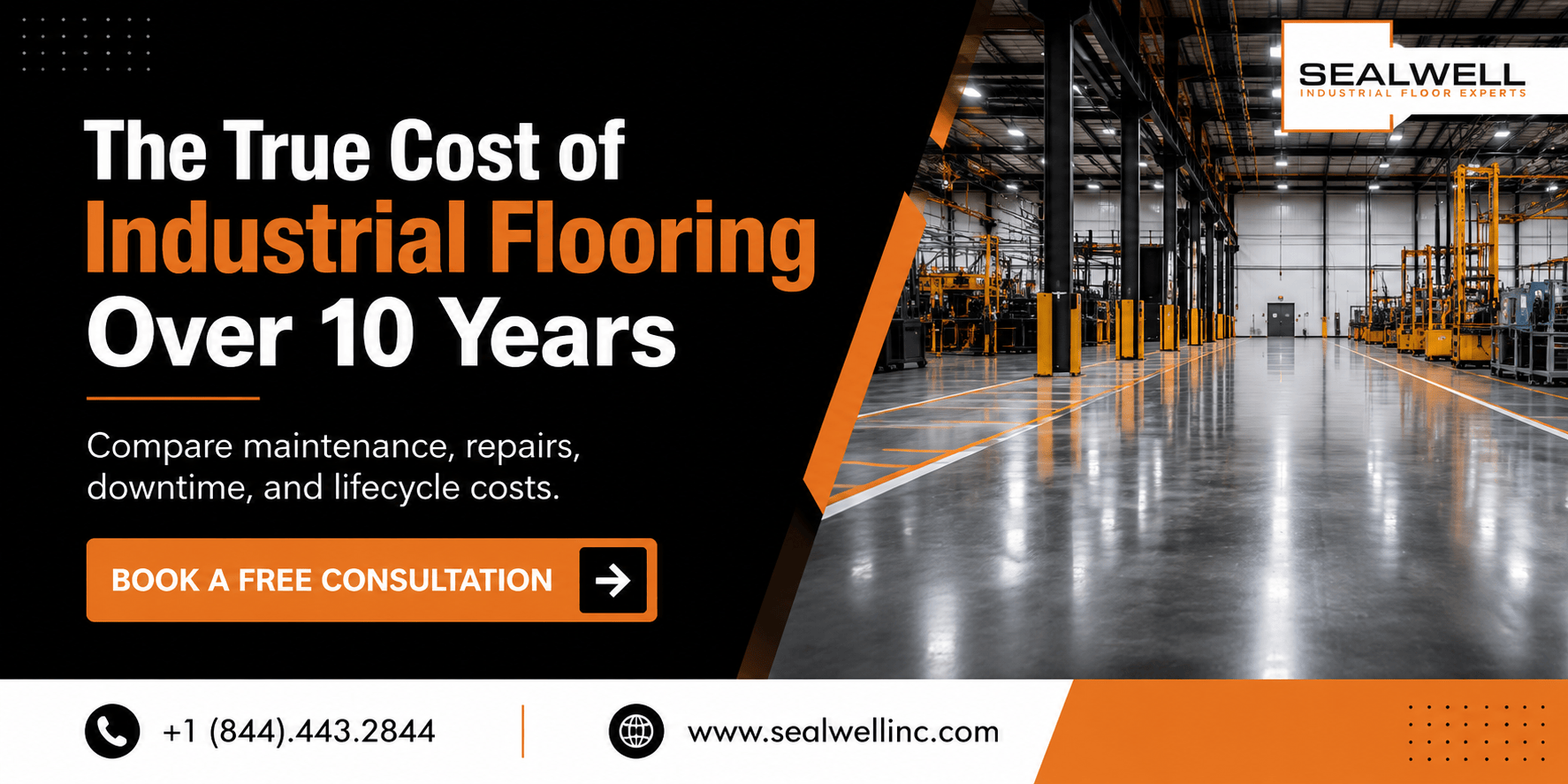
When businesses compare industrial flooring options, they often focus on the initial installation price. While upfront cost is important, it does not tell the full story. The real cost of an industrial floor is measured over years of daily use, cleaning, repairs, downtime, recoating, and replacement planning.
For warehouses, manufacturing plants, food production facilities, automotive shops, distribution centers, healthcare support spaces, and commercial buildings, the floor is a working asset. It supports forklifts, pallet jacks, heavy equipment, foot traffic, cleaning chemicals, spills, racks, tools, and production activity.
That is why long-term maintenance cost should be part of every flooring decision. Businesses planning Industrial Flooring in Georgia need to ask not only “How much will this floor cost to install?” but also “How much will it cost to maintain over the next 10 years?”
The answer depends on the flooring system, facility use, concrete condition, traffic level, maintenance routine, and quality of installation. A lower-cost floor may become expensive if it requires frequent repairs, early recoating, or operational downtime. A better-specified floor may cost more upfront but save money over time.
Why 10-Year Flooring Cost Matters
Industrial floors are not replaced casually. Once installed, they become part of the daily operation. If the floor starts failing, it can affect safety, cleaning, equipment movement, employee productivity, and facility appearance.
A 10-year flooring cost review helps facility managers understand the total cost of ownership. This includes:
- Routine cleaning
- Labor and maintenance supplies
- Repairs and patching
- Recoating or resealing
- Slip-resistance updates
- Downtime during repairs
- Production disruption
- Replacement planning
- Safety and compliance risks
- Concrete protection
The lowest installation price may not provide the best value if the floor requires constant maintenance. Long-term flooring value comes from choosing a system that matches the facility’s real operating conditions.
Main Factors That Affect Industrial Flooring Maintenance Cost
Maintenance cost is different for every facility. However, several common factors usually affect the 10-year cost.
- Type of Flooring System
Different flooring systems have different maintenance needs. Epoxy, polished concrete, urethane cement, MMA, polyaspartic, vinyl, tile, and untreated concrete all perform differently in industrial environments.
A floor designed for heavy industrial use will usually handle wear better than a floor selected only for appearance or low upfront cost.
- Traffic Level
Forklifts, pallet jacks, carts, production equipment, and heavy foot traffic increase floor wear. High-traffic zones such as loading docks, aisleways, production lines, and entrances may need more maintenance than low-use areas.
- Chemical Exposure
Facilities exposed to oils, acids, cleaning chemicals, solvents, food ingredients, sanitizers, and industrial liquids need flooring systems with appropriate chemical resistance. Without it, stains, surface breakdown, peeling, or safety issues may occur.
- Cleaning Process
Some floors require special cleaning products, frequent polishing, resealing, or periodic recoating. Others can be maintained with routine sweeping, mopping, or autoscrubbing. The cleaning method affects both labor cost and long-term floor performance.
- Surface Preparation and Installation Quality
A well-installed floor starts with proper preparation. If concrete is not cleaned, profiled, repaired, or tested correctly, the floor may fail early. Maintenance costs rise when installation problems lead to delamination, cracking, moisture issues, or coating failure.
- Moisture and Environmental Conditions
Georgia’s humidity, temperature changes, and slab moisture conditions can affect flooring performance. Moisture testing and proper system selection can help reduce future problems.
- Downtime Costs
Maintenance is not only the cost of materials and labor. If a facility must shut down production, close aisles, move equipment, or delay shipments, downtime can become one of the biggest hidden costs.
Epoxy Flooring Maintenance Cost Over 10 Years
Epoxy flooring is a popular industrial option because it creates a durable, seamless, protective coating over concrete. It can be designed for chemical resistance, abrasion resistance, slip resistance, safety markings, and easy cleaning.
Over 10 years, epoxy flooring maintenance may include:
- Regular sweeping and cleaning
- Autoscrubbing in larger facilities
- Spot repairs in damaged areas
- Recoating high-traffic zones if needed
- Refreshing safety striping
- Addressing gouges, chips, or worn areas
- Monitoring chemical exposure
Epoxy can be a strong long-term choice when properly installed and maintained. However, if the wrong system is selected, or if the concrete is poorly prepared, maintenance costs can increase due to peeling, bubbling, or early wear.
Epoxy is often a good fit for warehouses, automotive facilities, manufacturing plants, commercial buildings, and industrial spaces that need concrete protection and a cleanable surface.
Polished Concrete Maintenance Cost Over 10 Years
Polished concrete is another popular option for large commercial and industrial spaces. It refines the existing concrete slab into a smooth, reflective, low-maintenance surface.
Over 10 years, polished concrete maintenance may include:
- Dust mopping
- Routine autoscrubbing
- Periodic burnishing
- Guard or stain protector reapplication
- Spot stain treatment
- Repair of cracks or surface damage
- Maintenance of gloss level
Polished concrete can offer strong long-term value for dry warehouses, retail spaces, showrooms, and commercial buildings. Because it does not rely on a thick coating layer, there is no coating film to peel in the same way epoxy might.
However, polished concrete may not be ideal for facilities exposed to heavy chemicals, standing liquids, grease, or frequent spills. If staining or chemical damage becomes a problem, maintenance costs can rise.
Urethane Cement Flooring Maintenance Cost Over 10 Years
Urethane cement is commonly used in food production facilities, commercial kitchens, breweries, washdown areas, and demanding industrial environments. It is known for handling moisture, thermal shock, chemicals, hot water, and heavy cleaning routines better than many standard flooring systems.
Over 10 years, urethane flooring maintenance may include:
- Routine cleaning
- Inspection of high-impact zones
- Spot repair of damaged areas
- Maintaining slip-resistant texture
- Checking cove base and transition areas
- Recoating or refreshing top layers if needed
Urethane cement may cost more upfront than basic coating systems, but it can reduce long-term maintenance in harsh environments where standard floors fail quickly.
For facilities that use hot water washdowns, sanitizers, grease, and temperature changes, urethane systems often provide better lifecycle value.
Untreated Concrete Maintenance Cost Over 10 Years
Untreated concrete may appear to be the lowest-cost option at first, but it can become expensive over time in industrial spaces.
Common maintenance issues include:
- Concrete dusting
- Staining
- Cracking
- Surface wear
- Moisture absorption
- Hard-to-clean areas
- Chemical damage
- Safety concerns
- Frequent patching
Untreated concrete can absorb liquids and collect dust, making cleaning more difficult. Over 10 years, the cost of repairs, cleaning labor, and operational issues may exceed the savings from avoiding a flooring system.
For many facilities, protecting the concrete early is more cost-effective than repairing damaged concrete later.
How Maintenance Costs Differ by Industry
Different industries have different flooring maintenance needs.
Warehouses
Warehouses need floors that handle forklifts, pallet jacks, racks, and constant movement. Maintenance costs usually depend on traffic lanes, loading docks, joint conditions, and cleaning frequency.
Manufacturing Plants
Manufacturing floors may face impact, chemicals, equipment movement, and production debris. Maintenance costs depend on the type of production and exposure risks.
Food and Beverage Facilities
Food facilities require cleanable, seamless, slip-resistant flooring. Maintenance costs are influenced by washdowns, cleaning chemicals, grease, moisture, and hygiene requirements.
Automotive Facilities
Automotive floors must resist oils, fluids, tire marks, tools, and vehicle traffic. Maintenance may include chemical-resistant cleaning and periodic touch-ups in high-use service areas.
Healthcare and Laboratory Spaces
These environments need floors that support cleanliness, sanitation, and easy maintenance. Seamless flooring systems may reduce cleaning challenges compared to porous or jointed surfaces.
Hidden Costs Facility Managers Should Consider
When estimating 10-year industrial flooring maintenance, businesses should look beyond visible repair costs.
Hidden costs may include:
- Employee time spent cleaning difficult floors
- Lost productivity during repairs
- Equipment relocation during maintenance
- Temporary closure of work zones
- Safety risks from worn or slippery surfaces
- Inventory contamination from dust
- Coating failure from moisture issues
- Emergency repair premiums
- Early replacement costs
A floor that looks affordable at installation may become costly if it disrupts operations repeatedly.
How to Reduce Industrial Flooring Maintenance Costs
The best way to reduce long-term maintenance cost is to choose the right flooring system from the beginning.
Businesses can reduce 10-year costs by:
- Getting a professional floor evaluation
- Testing for moisture when needed
- Repairing cracks and joints before installation
- Choosing a system based on facility use
- Matching chemical resistance to real exposure
- Adding slip resistance where needed
- Planning installation around operations
- Using proper cleaning methods
- Scheduling periodic inspections
- Addressing small repairs early
For businesses evaluating Industrial Flooring in Georgia, professional planning can help avoid expensive mistakes.
Which Industrial Floor Has the Lowest 10-Year Maintenance Cost?
There is no single answer for every facility. The lowest maintenance floor depends on the environment.
- Polished concrete may be cost-effective for dry warehouses, retail spaces, and low-chemical environments.
- Epoxy flooring may offer better protection for warehouses, industrial spaces, and areas needing chemical resistance or safety markings.
- Urethane cement may provide better long-term value for food production, wet areas, washdowns, and harsh environments.
- Untreated concrete may cost less upfront but often requires more cleaning, repairs, and long-term attention.
The right flooring system should match the facility’s traffic, moisture, cleaning, safety, and performance needs.
Why Choose Sealwell for Industrial Flooring in Georgia?
Sealwell helps businesses make smarter flooring decisions by looking beyond installation cost. Our team evaluates the full facility environment to recommend a system that supports long-term performance and maintenance goals.
Sealwell can help with:
- Concrete floor evaluation
- Moisture testing guidance
- Surface preparation planning
- Epoxy flooring recommendations
- Polished concrete options
- Urethane flooring solutions
- Safety and slip-resistance planning
- Downtime reduction strategies
- Long-term maintenance considerations
Whether you operate a warehouse, food facility, manufacturing plant, automotive shop, or commercial building, Sealwell can help you choose the right floor system for your needs.
Plan Your 10-Year Flooring Investment with Sealwell
Industrial flooring maintenance cost over 10 years depends on more than the initial installation price. Traffic, chemicals, cleaning, repairs, downtime, moisture, and system selection all affect the total cost of ownership.
If you are planning Industrial Flooring in Georgia, connect with the Sealwell team for a free consultation, site visit, and floor plan. Sealwell will review your facility, evaluate your floor condition, and recommend a practical flooring solution designed for long-term value.
FAQ: Industrial Flooring Maintenance Cost Over 10 Years
How much does industrial flooring maintenance cost over 10 years?
Industrial flooring maintenance cost over 10 years depends on the flooring system, traffic level, cleaning process, chemical exposure, repair needs, and downtime. A properly selected and installed floor usually costs less to maintain over time.
Which industrial flooring is cheapest to maintain?
Polished concrete may be one of the lowest-maintenance options for dry warehouses and commercial spaces. Epoxy or urethane systems may be more cost-effective in facilities that need chemical resistance, moisture protection, or heavy-duty performance.
Does epoxy flooring need maintenance?
Yes. Epoxy flooring needs routine cleaning and occasional inspection. High-traffic areas may require spot repairs, recoating, or refreshed safety markings over time.
Is polished concrete cheaper to maintain than epoxy?
Polished concrete can be cheaper to maintain in dry environments with limited chemical exposure. Epoxy may be better for areas that need stain resistance, chemical protection, and safety markings.
How often should industrial floors be cleaned?
Cleaning frequency depends on the facility. Warehouses may need daily dust mopping or regular autoscrubbing, while food, healthcare, or manufacturing areas may require more frequent cleaning.
What causes industrial floors to become expensive to maintain?
Poor surface preparation, wrong flooring system selection, chemical exposure, moisture problems, heavy traffic, neglected repairs, and improper cleaning methods can all increase maintenance costs.
Is untreated concrete cheaper long term?
Not always. Untreated concrete may be cheaper upfront, but it can create dust, stains, cracks, and cleaning issues that increase long-term maintenance costs.
How can businesses reduce flooring maintenance costs?
Businesses can reduce costs by selecting the right floor system, preparing concrete properly, using moisture testing when needed, following proper cleaning methods, and repairing minor issues early.
Which flooring is best for warehouses?
Polished concrete and epoxy flooring are both common warehouse options. The best choice depends on forklift traffic, chemical exposure, cleaning needs, safety markings, and concrete condition.
Which flooring is best for food production facilities?
Urethane cement is often recommended for food production environments because it can handle moisture, washdowns, chemicals, grease, and thermal shock better than many standard flooring systems.
Does Georgia humidity affect industrial flooring maintenance?
Yes. Georgia humidity and slab moisture can affect floor coatings, adhesion, curing, and long-term performance. Moisture evaluation may help reduce future maintenance problems.
How do I choose the best industrial floor for long-term value?
Start with a professional floor evaluation. Sealwell can review your facility, traffic, moisture, chemical exposure, cleaning process, and budget to recommend a floor system that supports long-term value.
Our trusted clients: