
Blog and News
What Are the Top Commercial Flooring Trends for Warehouses and Industrial Facilities in 2026?
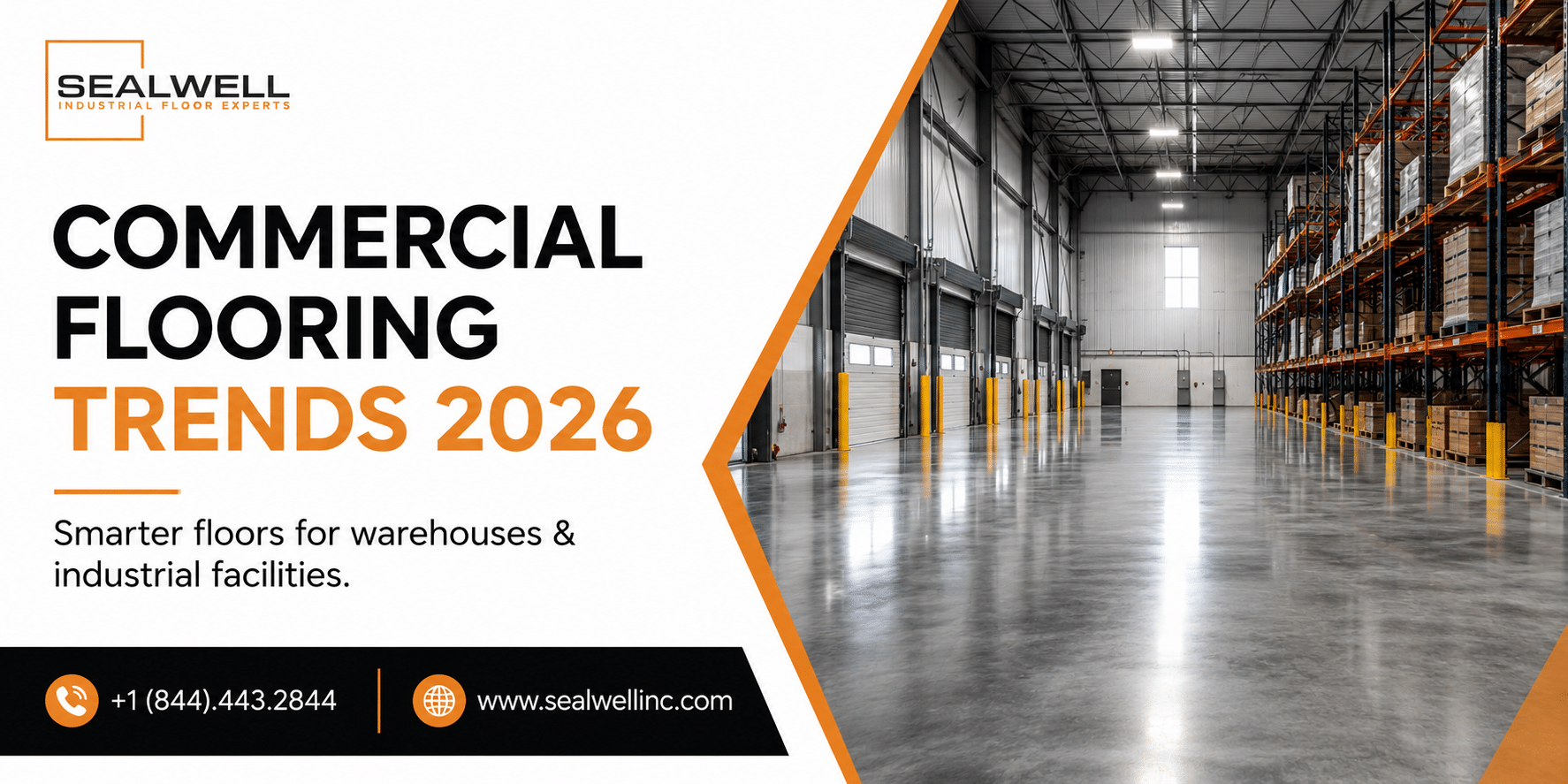
Commercial flooring is no longer just about covering concrete. In 2026, warehouse owners, facility managers, property developers, manufacturers, and operations teams are looking for floors that support safety, productivity, cleanability, durability, sustainability, and long-term value.
For warehouses and industrial facilities, the floor is one of the most important working surfaces in the building. It carries forklifts, pallet jacks, racks, machinery, employees, cleaning equipment, inventory, and constant movement. A poor flooring decision can lead to dusting concrete, safety concerns, high maintenance costs, downtime, surface failure, and expensive repairs.
That is why many Georgia businesses are taking a more strategic approach to floor selection. When planning Commercial Flooring in Georgia, companies are now asking better questions: Which floor will last longer? Which system reduces maintenance? Which surface improves safety? Which option works best for humidity, heavy traffic, and industrial use?
Below are the top commercial flooring trends for warehouses and industrial facilities in 2026.
1. Low-Maintenance Flooring Is a Top Priority
One of the biggest flooring trends in 2026 is the move toward low-maintenance systems. Facility teams want floors that are easier to clean, reduce dust, and require fewer repairs over time.
Warehouses and industrial buildings often operate on tight schedules. Floors that need constant maintenance can disrupt operations and increase labor costs. That is why polished concrete, epoxy flooring, urethane systems, and durable industrial coatings continue to grow in popularity.
Low-maintenance flooring can help businesses:
- Reduce cleaning time
- Lower repair frequency
- Improve facility appearance
- Reduce concrete dusting
- Support daily operations
- Extend floor life
For high-traffic spaces, choosing a floor with long-term maintenance in mind can be more valuable than choosing the lowest upfront price.
2. Polished Concrete Remains Popular for Large Warehouses
Polished concrete continues to be a strong option for large warehouses, distribution centers, retail warehouses, and industrial buildings. It creates a clean, reflective, and durable surface by mechanically refining the existing concrete slab.
Businesses like polished concrete because it can improve light reflectivity, reduce concrete dust, and create a professional appearance without adding a thick coating layer. It is often used in dry warehouses and open commercial spaces where chemical exposure is limited.
Polished concrete is especially attractive for facilities that want:
- Lower routine maintenance
- A bright, clean appearance
- Long-term durability
- Reduced dusting
- A natural concrete look
- Better light reflection
However, polished concrete may not be the best fit for every facility. Warehouses exposed to chemicals, oils, standing liquids, or heavy staining risks may need a protective coating system instead.
3. Epoxy Flooring Is Still a Leading Industrial Solution
Epoxy flooring remains one of the most trusted commercial and industrial flooring options because it protects concrete and creates a strong, seamless surface. In 2026, epoxy is still widely used in warehouses, manufacturing plants, automotive facilities, food service areas, production spaces, and industrial buildings.
Epoxy flooring can be designed for:
- Forklift traffic
- Chemical resistance
- Slip resistance
- Safety markings
- Color-coded work zones
- Abrasion resistance
- Easier cleaning
- Improved floor appearance
For businesses comparing options for Commercial Flooring in Georgia, epoxy is often a strong choice when the floor needs more protection than polished concrete can provide.
Epoxy systems are also useful when a facility needs safety striping, pedestrian walkways, equipment zones, or clearly marked traffic patterns.
4. Safety-Focused Flooring Is Becoming More Important
Safety is a major driver in commercial flooring decisions. Warehouses and industrial facilities often have moving equipment, workers on foot, wet areas, loading zones, storage racks, and production activity.
In 2026, more companies are choosing flooring systems that support better safety planning.
This may include:
- Slip-resistant textures
- Pedestrian walkway markings
- Forklift lane striping
- Hazard zone colors
- Loading dock safety markings
- Anti-skid coatings
- Bright traffic flow indicators
A floor can do more than look clean. It can help guide movement, separate work areas, improve visibility, and reduce slip risks.
5. Faster Installation and Reduced Downtime Matter
Downtime is expensive. Many warehouses and manufacturing facilities cannot shut down for long periods. This has made installation planning a major flooring trend.
In 2026, businesses are increasingly asking about:
- Phased installation
- Weekend work
- After-hours scheduling
- Faster-curing systems
- Section-by-section floor upgrades
- Return-to-service timelines
A professional flooring contractor can help plan installation around operations, equipment movement, and production schedules. This is especially important for active warehouses and industrial facilities that need to keep working during facility improvements.
6. Moisture Testing Is Getting More Attention
Georgia’s climate can bring humidity, rain, heat, and moisture concerns. Concrete slabs can hold or transmit moisture, and this can affect coatings if the floor is not properly tested and prepared.
Moisture-related flooring problems may include:
- Coating bubbles
- Peeling
- Poor adhesion
- Surface failure
- Staining
- Mold-related concerns in some environments
In 2026, more facility owners are paying attention to concrete moisture testing before coating installation. This helps determine whether the floor is ready for epoxy, urethane, polished concrete, or another system.
For long-term success, surface preparation and moisture evaluation are just as important as the flooring material itself.
7. Sustainable and Lower-VOC Flooring Options Are in Demand
Sustainability is becoming a stronger factor in commercial flooring decisions. Industry trend reports show growing interest in flooring systems with lower VOCs, recycled content, lifecycle transparency, and durable materials that reduce frequent replacement needs.
For warehouses and industrial buildings, sustainability is not only about material choice. It can also mean choosing a longer-lasting floor system that reduces waste, repair cycles, and unnecessary replacement.
Polished concrete may support sustainability goals because it uses the existing slab. Durable coating systems may also support long-term value when they extend the life of the concrete surface.
8. Industry-Specific Flooring Is Replacing One-Size-Fits-All Solutions
Another major trend is customized flooring based on industry needs. Businesses no longer want generic flooring recommendations. They want solutions built around their facility use.
For example:
- Warehouses need durability and traffic flow markings.
- Food and beverage areas need hygiene and slip resistance.
- Manufacturing plants need impact and chemical resistance.
- Automotive facilities need oil and tire resistance.
- Healthcare support spaces need cleanability.
- Electronics facilities may need static-control flooring.
This shift is important for Commercial Flooring in Georgia because different facilities face different environmental and operational conditions.
The best floor is not always the most expensive system. It is the system that matches the building, workflow, cleaning process, traffic, and long-term goals.
9. Decorative but Durable Floors Are Gaining Ground
Commercial and industrial floors are becoming more design-conscious. Companies want spaces that look professional for employees, visitors, inspectors, customers, and partners.
This is especially true in:
- Showrooms
- Retail warehouses
- Office-connected industrial spaces
- Production tours
- Training areas
- Customer-facing facilities
Decorative epoxy, polished concrete, flake systems, quartz systems, and branded color zones can help create a cleaner and more professional image without sacrificing performance.
In 2026, appearance and durability are no longer separate goals. Businesses want both.
10. Long-Term Flooring ROI Is Driving Decisions
Cost remains important, but more businesses are now looking beyond the initial installation price. They want to understand the total cost of ownership.
This includes:
- Maintenance cost
- Cleaning labor
- Repair frequency
- Downtime risk
- Replacement timeline
- Safety improvements
- Operational disruption
- Concrete protection
A cheaper floor may cost more if it fails early or requires constant repair. A better-specified floor may reduce long-term maintenance and protect the facility more effectively.
This is why professional floor planning is becoming a key part of commercial flooring decisions.
What Is the Best Commercial Flooring Trend for Your Facility?
The best flooring trend for your facility depends on your operation. A dry storage warehouse may benefit from polished concrete. A manufacturing facility may need epoxy or urethane systems. A facility with chemicals may need a specialized coating. A food-related space may need slip resistance and hygienic flooring details.
Before choosing a floor, facility owners should evaluate:
- Concrete condition
- Moisture levels
- Traffic type
- Forklift use
- Chemical exposure
- Cleaning methods
- Safety requirements
- Downtime limitations
- Long-term maintenance goals
- Budget and expected floor life
Sealwell can help review these factors and recommend the right solution.
Why Choose Sealwell for Commercial Flooring in Georgia?
Sealwell helps businesses make confident flooring decisions based on real-world facility needs. Our team understands that warehouse and industrial floors must perform under pressure every day.
Whether you are upgrading an existing warehouse, improving a manufacturing floor, planning a new facility, or comparing polished concrete and epoxy systems, Sealwell can help you choose the right floor plan.
Our team can assist with:
- Concrete floor evaluation
- Moisture testing guidance
- Surface preparation planning
- Epoxy and coating recommendations
- Polished concrete options
- Safety marking strategies
- Downtime planning
- Long-term maintenance considerations
For businesses looking for reliable Commercial Flooring in Georgia, Sealwell provides the experience and practical guidance needed to choose a floor system that fits the facility.
Plan Your 2026 Flooring Upgrade with Sealwell
Commercial flooring trends in 2026 are clear: businesses want floors that are durable, low-maintenance, safer, cleaner, more sustainable, and better matched to their operations.
If your warehouse or industrial facility needs a flooring upgrade, now is the time to plan. A professional evaluation can help you avoid costly mistakes and choose the right system from the start.
Connect with the Sealwell team for a free consultation, site visit, and floor plan.
Sealwell will evaluate your facility, discuss your goals, and recommend the best solution for Commercial Flooring in Georgia.
FAQ: Commercial Flooring Trends for Warehouses and Industrial Facilities in 2026
What are the top commercial flooring trends for 2026?
The top commercial flooring trends for 2026 include low-maintenance floors, polished concrete, epoxy coatings, safety-focused floor markings, faster installation, moisture testing, sustainable materials, and industry-specific flooring systems.
What is the best flooring for warehouses in 2026?
The best warehouse flooring depends on the facility. Polished concrete works well for many dry storage warehouses, while epoxy flooring is often better for spaces needing chemical resistance, safety striping, slip resistance, or stronger concrete protection.
Is polished concrete a good option for warehouses?
Yes. Polished concrete is a good option for many warehouses because it is durable, reflective, low-maintenance, and helps reduce concrete dust. It is best suited for dry warehouses with limited chemical exposure.
Is epoxy flooring still popular for industrial facilities?
Yes. Epoxy flooring remains popular for industrial facilities because it creates a seamless protective surface that can handle traffic, chemicals, abrasion, safety markings, and easier cleaning.
Why is low-maintenance flooring important for warehouses?
Low-maintenance flooring helps reduce cleaning time, repair costs, downtime, and operational disruption. For busy warehouses, easy-to-maintain floors can improve long-term efficiency.
Does Georgia humidity affect commercial flooring?
Yes. Georgia humidity and concrete moisture can affect floor coatings. Moisture testing may be needed before installing epoxy or other coating systems to reduce the risk of peeling, bubbling, or adhesion failure.
What flooring is best for forklift traffic?
Epoxy flooring, polished concrete, and other industrial floor systems can support forklift traffic when properly installed. The best choice depends on traffic volume, wheel type, concrete condition, and exposure to spills or chemicals.
Are sustainable flooring options becoming more popular?
Yes. Commercial flooring decisions increasingly include sustainability factors such as lower-VOC materials, longer-lasting systems, reduced replacement cycles, and use of existing concrete slabs.
Can commercial flooring be installed without shutting down operations?
In many cases, yes. Flooring projects can often be phased by area, scheduled after hours, or completed over weekends depending on the facility layout and selected system.
How do I choose the right commercial flooring system?
Start with a professional floor evaluation. Sealwell can review your concrete condition, traffic, moisture, safety needs, cleaning process, downtime limits, and budget to recommend the right flooring system.
SEALWELL INC
Phone No– +1 (844)-443-2844
Email- in*******@se*********.com
Let’s Connect: www.sealwellinc.com
Our trusted clients: