
Blog and News
Why Polished Concrete Is a Sustainable Flooring Choice for Commercial Buildings
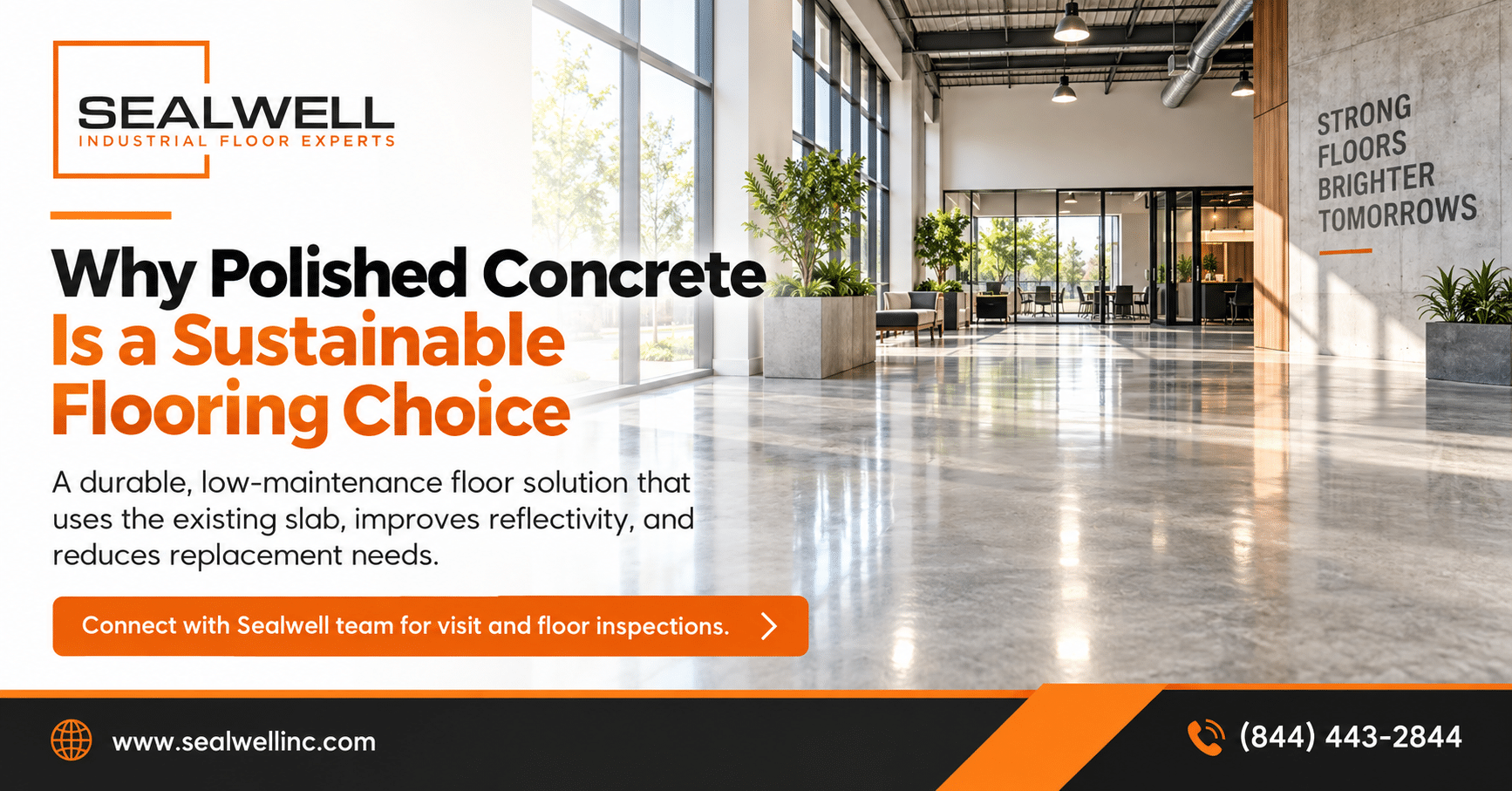
Commercial Flooring in Atlanta is no longer only about durability, appearance, and cost. Today, more business owners, property managers, architects, and facility teams are also looking for flooring systems that support sustainability, lower maintenance needs, indoor air quality, and long-term performance. For many commercial buildings, polished concrete is a practical sustainable flooring choice because it uses the existing concrete slab, reduces the need for additional floor coverings, improves light reflectivity, and can help extend the life of the floor with proper care.
Commercial buildings experience daily foot traffic, equipment movement, cleaning routines, moisture exposure, and operational wear. In busy spaces such as warehouses, retail stores, offices, showrooms, healthcare facilities, manufacturing spaces, schools, and commercial lobbies, the floor must perform well over time. A floor that needs frequent replacement can create waste, downtime, and higher lifecycle costs. Polished concrete helps address these concerns by turning the existing slab into a finished floor surface.
What Makes Polished Concrete a Sustainable Flooring Option?
Polished concrete is considered a sustainable flooring option because it often works with the concrete that is already part of the building. Instead of covering the slab with tile, carpet, vinyl, or other floor materials, the concrete is mechanically refined, polished, and finished to create a durable surface.
This approach can reduce the amount of new material needed for the project. It can also reduce removal and disposal waste when compared with flooring systems that may need to be replaced more frequently. For commercial buildings focused on practical sustainability, polished concrete offers a long-term flooring solution with fewer layers, fewer replacement cycles, and lower maintenance demands.
How Does Polished Concrete Reduce Replacement Needs?
One of the biggest sustainability advantages of polished concrete is its long service life. Many commercial flooring materials can wear out, stain, peel, tear, or need replacement after years of heavy use. When a floor covering is removed, it often creates waste and may require new materials, adhesives, underlayment, and installation labor.
Polished concrete is different because the slab itself becomes the finished floor. With proper surface preparation, polishing, sealing, and maintenance, the floor can remain functional and attractive for years. This helps businesses reduce repeated flooring replacement, which can lower waste and improve long-term value.
Why Is Using the Existing Slab Important?
Most commercial buildings already have a concrete slab. Polished concrete makes use of that existing structure instead of hiding it under another floor covering. This can support a more resource-conscious approach to commercial flooring.
Using the existing slab may help reduce:
- Extra flooring material use
- Adhesive or underlayment requirements
- Removal of old flooring layers
- Landfill waste from replacement materials
- Project disruption from major floor tear-outs
- Long-term maintenance complexity
For businesses looking to improve sustainability without compromising durability, this makes polished concrete a strong option.
How Does Polished Concrete Support Better Energy Efficiency?
Polished concrete can improve light reflectivity inside a commercial building. A reflective floor surface can help make interiors appear brighter and cleaner. In some spaces, improved reflectivity may help reduce the need for excessive artificial lighting or improve how existing lighting performs.
This is especially useful for:
- Warehouses
- Retail stores
- Showrooms
- Commercial offices
- Schools
- Healthcare spaces
- Industrial buildings
- Parking or service areas
A brighter floor can also improve visibility for employees, customers, and visitors. Better visibility may support safer movement and a more professional facility environment.
Are Low-VOC Coatings Important for Sustainable Floors?
Low-VOC materials are important for many commercial flooring projects because they can support better indoor air quality. VOCs, or volatile organic compounds, may be released from some flooring materials, adhesives, sealers, coatings, or finishes.
Polished concrete can reduce the need for certain flooring adhesives or coverings. In many cases, low-VOC densifiers, sealers, or protective treatments can be selected as part of the polishing process. This can make polished concrete a suitable option for buildings where indoor air quality and occupant comfort matter.
Low-VOC flooring considerations are especially important for:
- Offices
- Schools
- Healthcare buildings
- Retail spaces
- Hospitality areas
- Commercial interiors
- Public-facing facilities
How Does Polished Concrete Reduce Maintenance Impact?
Sustainable flooring is not only about installation. Maintenance also matters. Some flooring systems require frequent waxing, stripping, harsh chemicals, coatings, or replacement to keep them functional. These maintenance routines can increase labor, chemical use, downtime, and ongoing costs.
Polished concrete is generally easier to maintain when installed and cared for properly. Regular dust mopping, auto-scrubbing with approved cleaners, and routine maintenance can help preserve its appearance and performance. Because the surface is hard and smooth, it can also help reduce dusting compared with untreated concrete.
For commercial buildings, lower-maintenance flooring can support:
- Reduced cleaning complexity
- Lower chemical use
- Less downtime for maintenance
- Fewer recurring repairs
- Better long-term appearance
- Improved facility cleanliness
Comparison Table: Polished Concrete vs Traditional Commercial Flooring
|
Factor |
Polished Concrete |
Traditional Floor Coverings |
|
Material Use |
Uses the existing concrete slab as the finished floor |
Often requires new flooring materials, adhesives, and underlayment |
|
Replacement Needs |
Long-lasting when properly maintained |
May require replacement after wear, staining, tearing, or damage |
|
Waste Reduction |
Can reduce tear-out and landfill waste |
Replacement cycles may create more waste |
|
Maintenance |
Usually low maintenance with approved cleaning methods |
May require waxing, stripping, repairs, or replacement |
|
Indoor Air Quality |
Can be paired with low-VOC treatments |
Some materials and adhesives may release VOCs |
|
Light Reflectivity |
Can improve brightness and visibility |
Reflectivity depends on material and finish |
|
Durability |
Strong option for many high-traffic commercial spaces |
Durability varies by product type |
|
Best Use Cases |
Warehouses, retail, offices, showrooms, commercial interiors |
Spaces needing softer surfaces, acoustic control, or specific design finishes |
|
Sustainability Value |
Strong lifecycle value due to slab reuse and durability |
Depends on material source, lifespan, and disposal needs |
Where Does Polished Concrete Work Best in Commercial Buildings?
Polished concrete works well in many commercial spaces where durability, cleanability, and long-term performance are important. It is especially useful in spaces that already have a concrete slab and need a cleaner, brighter, and more professional floor.
Common applications include:
- Warehouses
- Retail stores
- Commercial offices
- Industrial spaces
- Auto showrooms
- Schools
- Healthcare support areas
- Distribution facilities
- Manufacturing buildings
- Commercial lobbies
- Restaurants and hospitality areas
However, polished concrete is not the right fit for every space. Areas exposed to strong chemicals, heavy moisture, oils, or thermal shock may require epoxy, urethane, MMA, or another protective flooring system. That is why a professional inspection is important before making a final decision.
What Should Businesses Check Before Choosing Polished Concrete?
Before choosing polished concrete, business owners should evaluate the existing slab condition. The final result depends heavily on the concrete’s quality, strength, age, stains, cracks, previous coatings, moisture levels, and surface damage.
A professional flooring inspection should review:
- Cracks and joints
- Soft or weak concrete
- Old coatings or adhesives
- Moisture concerns
- Oil or chemical stains
- Uneven surfaces
- Surface contamination
- Traffic level
- Cleaning requirements
- Desired gloss level and appearance
If the slab is damaged, concrete repair may be needed before polishing. Some imperfections may remain visible after polishing, so expectations should be discussed before the project begins.
Is Polished Concrete Good for High-Traffic Commercial Spaces?
Yes, polished concrete can be a good choice for many high-traffic commercial spaces. It can handle daily foot traffic, carts, equipment movement, and general facility use when properly installed and maintained. It also provides a clean, modern look that works well in both industrial and customer-facing spaces.
For high-traffic areas, the polishing process, densifier use, sealer selection, and maintenance plan should be matched to the facility’s needs. A warehouse, retail store, and office lobby may each need a different finish level or maintenance strategy.
How Does Polished Concrete Support Long-Term Cost Savings?
Polished concrete can help reduce long-term costs because it avoids frequent replacement, simplifies maintenance, and improves the usefulness of the existing slab. While upfront costs depend on the slab condition, square footage, repair needs, and desired finish, the lifecycle value can be strong for commercial buildings.
Businesses may benefit from:
- Fewer replacement cycles
- Reduced floor covering materials
- Lower maintenance demands
- Improved light reflectivity
- Stronger floor appearance
- Better durability in active spaces
- Less disruption over time
For many commercial buildings, this makes polished concrete a cost-effective and sustainable flooring investment.
Why Sealwell Team Experts?
Sealwell Inc. helps businesses evaluate their existing concrete and choose the right commercial flooring system based on real site conditions. For polished concrete projects, the Sealwell team can inspect the slab, identify cracks, review surface condition, check maintenance needs, and recommend whether polishing, repair, sealing, or another flooring solution is the best fit.
Sealwell works with commercial and industrial spaces that need durable, practical, and long-lasting flooring solutions. Whether your building needs polished concrete, epoxy flooring, concrete repair, urethane flooring, MMA acrylic flooring, or floor coating support, Sealwell can help guide the right next step.
Connect with Sealwell team for visit and floor inspections.
Conclusion
Polished concrete is a sustainable flooring choice for commercial buildings because it uses the existing slab, reduces replacement needs, supports lower maintenance, improves light reflectivity, and can be paired with low-VOC treatments. For businesses focused on durability, cleanability, lifecycle value, and eco-conscious facility planning, polished concrete can be a smart flooring solution. If your business is exploring Commercial Flooring in Atlanta, Sealwell Inc. can inspect your existing floor and recommend the right sustainable flooring option for your space.
Frequently Asked Questions (FAQs)
- Why is polished concrete considered sustainable?
Polished concrete is considered sustainable because it often uses the existing concrete slab instead of requiring additional floor coverings. This can reduce material use, replacement waste, and long-term maintenance needs.
- Is polished concrete good for commercial buildings?
Yes. Polished concrete is a good option for many commercial buildings because it is durable, low maintenance, clean-looking, and suitable for high-traffic spaces such as warehouses, retail stores, offices, showrooms, and industrial interiors.
- How does polished concrete reduce environmental impact?
Polished concrete can reduce environmental impact by limiting the need for new flooring materials, reducing tear-out waste, lowering replacement cycles, and supporting easier maintenance with approved cleaning methods.
- Can polished concrete improve energy efficiency?
Polished concrete can improve light reflectivity, which may help make interiors brighter and improve the performance of existing lighting. This can support better visibility and a cleaner facility appearance.
- Are polished concrete floors low VOC?
Polished concrete can be part of a low-VOC flooring strategy, especially when low-VOC densifiers, sealers, and treatments are selected. It may also reduce the need for adhesives or certain floor coverings.
- Is polished concrete easy to maintain?
Yes. Polished concrete is generally easy to maintain with regular dust mopping, approved cleaning products, and routine auto-scrubbing. Proper maintenance helps preserve shine, cleanliness, and durability.
- Does polished concrete work in warehouses?
Yes. Polished concrete can work well in many warehouse spaces, especially where durability, dust control, light reflectivity, and low maintenance are important. However, areas with heavy chemicals or moisture may need special evaluation.
- What is better: polished concrete or epoxy flooring?
Polished concrete is often better for businesses that want a durable, low-maintenance, slab-based finish. Epoxy flooring may be better where stronger chemical resistance, stain protection, moisture protection, or decorative coating performance is required.
- Can damaged concrete be polished?
Damaged concrete may be polished after proper repair, but cracks, stains, patches, or imperfections may still remain visible depending on the slab condition. A professional inspection helps set expectations before work begins.
- Who can inspect commercial flooring in Atlanta?
Sealwell Inc. can inspect commercial flooring spaces in Atlanta and recommend whether polished concrete, epoxy flooring, concrete repair, or another flooring system is the right fit for the building.
Our trusted clients: