
Blog and News
The Role of Anti-Microbial Flooring in Infection Control in Hospitals
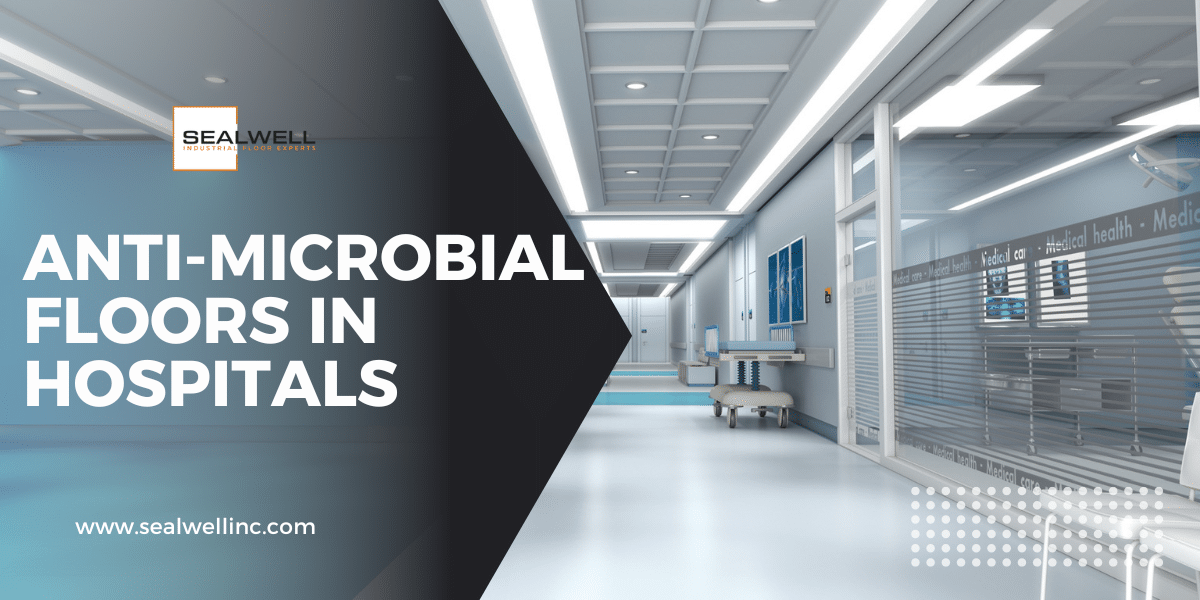
Infection control is one of the most critical priorities in any healthcare facility. From patient rooms to surgical suites, every surface plays a role in reducing the spread of harmful bacteria and viruses. One often-overlooked but highly effective solution is hospital flooring in Florida designed with antimicrobial properties. By investing in specialized flooring, hospitals can significantly improve hygiene, lower infection risks, and provide a safer environment for patients, staff, and visitors.
Why Infection Control Matters in Healthcare
Healthcare-associated infections (HAIs) affect millions of patients every year across the United States. These infections can lead to extended hospital stays, increased treatment costs, and, in severe cases, life-threatening complications. While hand hygiene, sterilized equipment, and ventilation systems are often emphasized, flooring is just as vital in creating a clean, infection-resistant healthcare setting.
Hospital floors experience high foot traffic, constant equipment movement, and frequent spills—all of which create opportunities for bacteria and fungi to spread. Without antimicrobial flooring, healthcare facilities may face unnecessary risks of contamination.
What Is Anti-Microbial Flooring?
Anti-microbial flooring is engineered with materials and coatings that actively resist the growth of microorganisms. Unlike traditional flooring that may harbor bacteria in cracks or seams, antimicrobial flooring prevents these harmful agents from multiplying. This proactive defense reduces the risk of surface-borne infections and helps hospitals meet strict hygiene regulations.
Some of the key features of antimicrobial flooring include:
- Bacteria Resistance: Flooring inhibits microbial growth on surfaces.
- Seamless Design: Minimizes joints and gaps where dirt and pathogens can accumulate.
- Durability: Built to withstand heavy use and harsh cleaning chemicals.
- Moisture Protection: Prevents mold and mildew growth in humid areas.
Benefits of Anti-Microbial Flooring in Hospitals
- Improved Infection Control
The primary advantage of antimicrobial flooring is its role in limiting the spread of bacteria, fungi, and viruses. This makes patient areas, surgical rooms, and ICUs safer by maintaining cleaner surfaces.
- Enhanced Patient Safety
For vulnerable patients with weakened immune systems, even minor exposure to pathogens can result in serious infections. Flooring designed for infection control adds an extra layer of protection.
- Compliance with Health Standards
Hospitals must comply with strict infection-control protocols. Anti-microbial flooring helps facilities meet or exceed these requirements, reducing liability risks.
- Easy Maintenance
Because antimicrobial flooring resists bacteria and stains, cleaning and maintenance become more efficient. Staff can spend less time scrubbing and more time focusing on patient care.
- Long-Term Durability
Hospital flooring is an investment. High-quality antimicrobial floors are designed to last, reducing the need for frequent replacements and saving money over time.
Applications of Anti-Microbial Flooring in Healthcare
Different areas of a hospital have unique flooring needs. Fortunately, antimicrobial flooring can be customized for a wide range of applications:
- Operating Rooms: Seamless surfaces reduce the risk of bacteria settling in cracks.
- Patient Rooms: Provides comfort while maintaining hygiene.
- Laboratories & Pharmacies: Protects against chemical spills and contamination.
- Emergency Rooms: Withstands high traffic and constant cleaning.
- Waiting Areas & Corridors: Combines durability with a clean, professional look.
Hospital Flooring in Florida: Why It Matters
Florida hospitals face additional challenges due to the state’s warm and humid climate, which can accelerate bacterial and mold growth. Investing in antimicrobial hospital flooring in Florida ensures that healthcare facilities maintain the highest standards of cleanliness, regardless of environmental conditions. With constant patient inflow, Florida’s healthcare system benefits greatly from flooring solutions that support both safety and efficiency.
Choosing the Right Anti-Microbial Flooring Partner
When selecting flooring for a healthcare facility, it’s important to work with an experienced installer who understands both the technical requirements and infection-control needs of hospitals. A trusted provider can recommend the best materials, ensure proper installation, and deliver long-lasting results.
At Sealwell, we specialize in installing high-performance healthcare and hospital flooring across Florida. Our antimicrobial solutions are designed to minimize infection risks, enhance patient safety, and meet strict healthcare regulations. Explore more about our premium flooring solutions for high-demand environments.
Final Thoughts
Infection prevention goes beyond hand sanitizers and sterile equipment—it starts from the ground up. Anti-microbial flooring is a smart investment for hospitals that want to create safer, cleaner, and healthier environments for everyone. By installing specialized hospital flooring in Florida, healthcare providers can take a proactive step toward reducing HAIs, improving patient outcomes, and ensuring long-term facility performance.
Ready to protect your facility with advanced antimicrobial flooring? Get a free consultation today and discover how Sealwell can help you create safer hospital spaces.
SEALWELL INC
Phone No– +1 (844)-443-2844
Email- in*******@se*********.com
Let’s Connect: www.sealwellinc.com
Our trusted clients: