
Blog and News
Why Is Epoxy Flooring Ideal for Electric Vehicle Component Manufacturing Facilities?
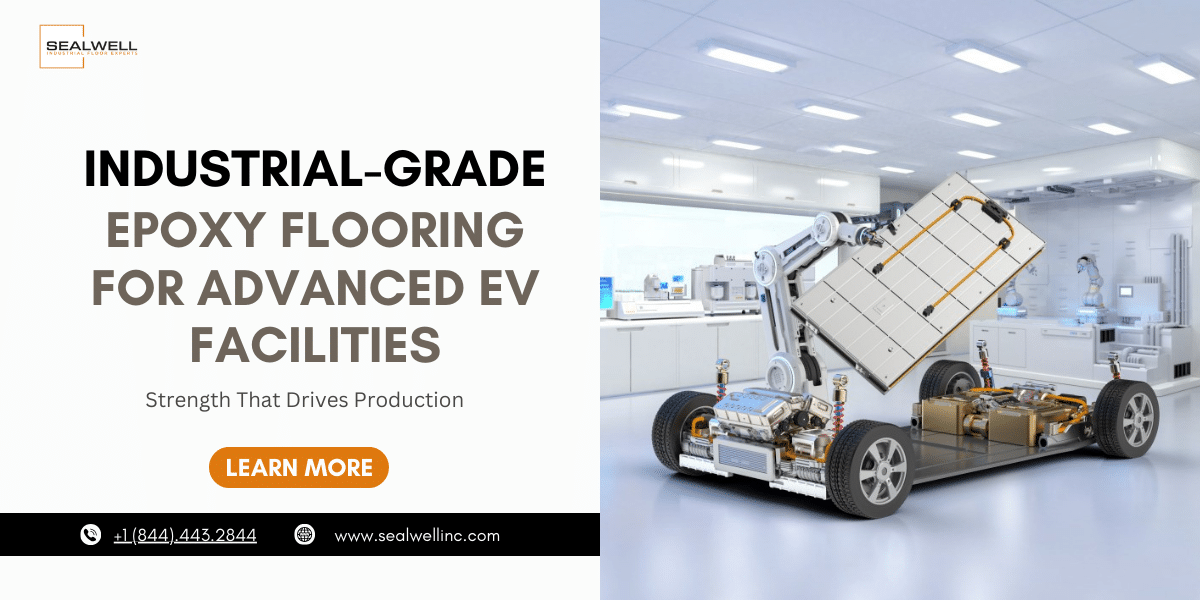
As electric vehicle (EV) production continues to expand across the United States, manufacturing facilities must meet increasingly strict standards for durability, cleanliness, safety, and efficiency. One of the most critical yet often overlooked components of these facilities is the flooring system. Epoxy Flooring has emerged as one of the most reliable and high-performance solutions for electric vehicle component manufacturing environments due to its durability, chemical resistance, seamless finish, and adaptability to advanced production demands.
From battery assembly lines to robotics and electronic control module production, epoxy flooring plays a foundational role in supporting operational excellence.
Why Flooring Is Critical in EV Manufacturing
EV component facilities operate in high-tech, high-precision environments. Floors must support:
- Heavy automated machinery
- Robotic assembly systems
- Chemical exposure from battery materials
- High traffic from forklifts and pallet jacks
- Static-sensitive electronic components
- Strict cleanliness and safety regulations
Standard concrete floors alone are not designed to withstand these conditions long term. Without protective systems, concrete can crack, absorb chemicals, generate dust, and create safety hazards.
Key Benefits of Epoxy Flooring in EV Facilities
- Superior Chemical Resistance
EV battery production involves exposure to lithium compounds, solvents, coolants, and cleaning agents. Epoxy flooring creates a non-porous barrier that prevents chemicals from penetrating the concrete slab.
This results in:
- Longer floor lifespan
- Reduced structural damage
- Easier cleanup of spills
- Lower maintenance costs
- High Durability Under Heavy Equipment
EV manufacturing facilities rely heavily on robotics, conveyors, and automated guided vehicles (AGVs). Epoxy flooring systems are engineered to withstand:
- Continuous heavy loads
- Rolling traffic
- Abrasion from equipment movement
- Impact from dropped tools or materials
High-build epoxy systems provide structural reinforcement that supports long-term production demands.
- Electrostatic Discharge (ESD) Protection
Electronic components used in EV systems are sensitive to static discharge. Specialized ESD epoxy flooring systems help safely dissipate static electricity, protecting:
- Circuit boards
- Battery control modules
- Sensitive diagnostic equipment
- Robotic systems
This makes epoxy flooring particularly valuable in electronics assembly areas.
- Seamless and Hygienic Surface
Manufacturing environments require clean, dust-free conditions. Epoxy flooring eliminates grout lines and joints where debris can accumulate.
Seamless surfaces provide:
- Improved hygiene
- Reduced contamination risk
- Easier cleaning
- Compliance with quality control standards
In EV production, maintaining cleanliness directly supports product integrity.
- Improved Workplace Safety and Organization
Epoxy flooring systems allow custom striping and color-coded zones for:
- Pedestrian walkways
- Equipment lanes
- Hazard identification
- Storage zones
This enhances workflow efficiency and reduces workplace accidents in high-traffic production areas.
How Epoxy Flooring Supports Every Phase of EV Manufacturing
Raw Material Handling
Heavy-duty epoxy systems withstand forklift traffic and pallet staging.
Battery Assembly
Chemical-resistant and ESD-capable epoxy protects sensitive materials and electronics.
Robotics & Automation Areas
Smooth, durable surfaces reduce dust interference with precision systems.
Testing & Inspection Zones
High-gloss finishes improve light reflectivity for detailed inspection processes.
Why Epoxy Flooring Is a Long-Term Investment
When evaluating infrastructure for EV facilities, decision-makers must consider lifecycle value. Properly installed epoxy flooring offers:
- 10–20 years of service life
- Reduced repair frequency
- Minimal downtime for maintenance
- Lower total cost of ownership
Compared to untreated concrete or less durable alternatives, epoxy flooring delivers measurable long-term performance.
Why Choose Sealwell for EV Facility Flooring Solutions?
Sealwell specializes in advanced industrial flooring systems tailored to demanding manufacturing environments. Our team provides:
- Comprehensive onsite evaluations
- Moisture testing and slab preparation
- High-performance epoxy and ESD systems
- Clean and organized installation processes
- Minimal operational disruption
- Long-term durability and compliance
We understand the unique challenges of EV production facilities and design flooring systems that support innovation and growth.
Build a Stronger Foundation for EV Manufacturing
The rapid evolution of electric vehicle production demands infrastructure that performs at the highest level. Investing in high-quality Epoxy Flooring ensures durability, safety, chemical resistance, and operational efficiency in EV component manufacturing facilities.
Subscribe to our blog for more tips on facility safety and the key benefits of industrial and commercial floorings, or connect with our expert to know more about the floor installations. Sealwell is ready to help you implement flooring solutions designed for the future of EV manufacturing.
Frequently Asked Questions
- Why is epoxy flooring used in electric vehicle manufacturing facilities?
Epoxy flooring is used because it provides durability, chemical resistance, seamless hygiene, and optional ESD protection—critical for battery production and electronic component assembly.
- Can epoxy flooring handle heavy machinery in EV plants?
Yes. High-build epoxy systems are engineered to support robotic systems, forklifts, and heavy automated equipment without cracking or delaminating.
- Is ESD epoxy flooring necessary for EV battery manufacturing?
In areas involving sensitive electronics, ESD-capable epoxy flooring helps prevent static discharge that could damage components or disrupt production.
- How long does epoxy flooring last in manufacturing environments?
With professional installation and maintenance, epoxy flooring typically lasts 10–20 years in industrial settings.
- Does epoxy flooring improve safety in production facilities?
Yes. Slip-resistant finishes and color-coded traffic markings improve workplace organization and reduce accident risks.
SEALWELL INC
Phone No– +1 (844)-443-2844
Email- in*******@se*********.com
Let’s Connect: www.sealwellinc.com

Our trusted clients: