
Blog and News
How to Design Industrial Flooring for High-Performance Workplaces
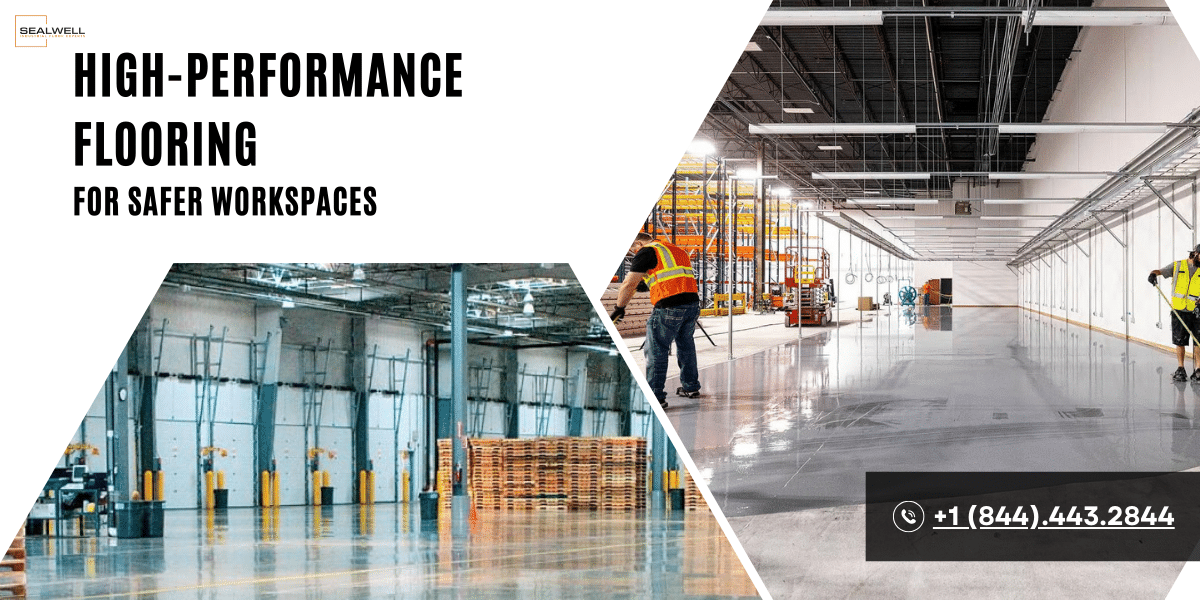
In today’s competitive industrial and commercial landscape, facility performance depends on more than just equipment and workforce efficiency. The foundation of a productive workspace begins with well-planned Industrial Flooring that enhances safety, durability, workflow, and long-term cost efficiency. Floors are no longer just surfaces to walk on—they are critical components of operational success.
Designing floors that support a high-performance work environment requires strategic planning, material selection, and a deep understanding of how the space functions daily. Below, we explore the essential factors that influence flooring design in modern industrial and commercial facilities.
-
Prioritizing Safety and Risk Reduction
A high-performance workplace begins with safety. Slip hazards, uneven surfaces, chemical spills, and poor visibility can all contribute to workplace accidents.
Effective flooring design includes:
- Slip-resistant textures
- Clear walkway and safety zone markings
- Chemical-resistant coatings
- High-visibility striping for traffic flow
Properly designed flooring reduces accidents, supports OSHA compliance, and creates a safer environment for employees and visitors.
-
Supporting Workflow and Operational Efficiency
Flooring plays a direct role in how efficiently a facility operates. Poor layout design can create bottlenecks and slow down production.
Strategic floor design should:
- Clearly define pedestrian and forklift lanes
- Mark loading and staging zones
- Create designated work areas
- Enhance traffic management
Using durable coatings and striping systems improves organization while minimizing operational disruptions.
-
Enhancing Durability for Heavy-Duty Use
Industrial facilities face constant stress from machinery, rolling loads, pallet jacks, and heavy equipment. Flooring must withstand daily impact without cracking or deteriorating.
High-performance flooring systems provide:
- Resistance to abrasion and impact
- Protection against chemical spills
- Load-bearing strength
- Long-term structural integrity
Selecting the right materials ensures the floor supports operational demands for years to come.
-
Improving Light Reflectivity and Visibility
Lighting plays a major role in productivity and safety. Gloss-enhanced or light-colored flooring systems improve brightness by reflecting overhead lighting.
Benefits of improved reflectivity include:
- Reduced energy consumption
- Better visibility in large spaces
- Enhanced inspection accuracy
- Cleaner, more professional appearance
Polished concrete and certain coating systems can significantly improve light reflectivity across large facilities.
-
Minimizing Maintenance and Downtime
Frequent floor repairs disrupt operations and increase maintenance costs. High-performance floors are designed to reduce downtime and simplify upkeep.
Low-maintenance flooring systems:
- Resist staining and dusting
- Are easy to clean
- Reduce the need for frequent recoating
- Maintain appearance under heavy use
This results in long-term cost savings and operational continuity.
-
Customizing Flooring for Industry-Specific Needs
Different industries require specialized flooring performance.
For example:
- Manufacturing plants require heavy-load durability
- Food processing facilities need moisture and thermal resistance
- Warehouses demand impact resistance and traffic markings
- Pharmaceutical facilities may require ESD control
Tailoring the flooring system to the industry ensures optimal performance and compliance.
-
Incorporating Sustainability and Long-Term Value
Modern facility design increasingly focuses on sustainability. Flooring can contribute to environmental goals by:
- Utilizing existing concrete slabs
- Reducing material waste
- Improving energy efficiency through reflectivity
- Extending lifecycle durability
Sustainable flooring solutions reduce environmental impact while maximizing return on investment.
-
Professional Installation and Planning
Even the best materials require expert planning and installation. Surface preparation, system thickness, curing times, and environmental conditions all impact performance.
Professional installers:
- Conduct detailed site assessments
- Evaluate slab condition and moisture levels
- Recommend appropriate coating systems
- Plan installation to minimize downtime
Proper planning ensures long-term performance and reduces unexpected repair costs.
Why High-Performance Flooring Is a Smart Investment
A high-performance floor is more than a cosmetic upgrade—it is a strategic investment in safety, productivity, and operational efficiency. Facilities that invest in well-designed Industrial Flooring systems experience:
- Fewer accidents
- Reduced maintenance costs
- Improved workflow efficiency
- Enhanced professional appearance
- Long-term durability
When flooring supports operational goals, the entire facility performs better.
Partner with Sealwell for Expert Flooring Solutions
Sealwell specializes in delivering industrial and commercial flooring systems designed to enhance performance, safety, and longevity. Our team provides:
- Comprehensive onsite evaluations
- Customized flooring recommendations
- Advanced installation techniques
- Minimal downtime scheduling
- Clean and organized project execution
Whether you are upgrading an existing facility or designing a new one, Sealwell ensures your flooring supports your operational goals from the ground up.
Final Thoughts
Designing floors that support a high-performance work environment requires thoughtful planning, durable materials, and expert execution. The right flooring system improves safety, efficiency, and long-term value while supporting the daily demands of modern facilities.
Subscribe to our blog for more tips on facility safety and the key benefits of industrial and commercial floorings, or connect with our expert to know more about the floor installations. Sealwell is ready to help you build a stronger foundation for operational success.
Frequently Asked Questions
- What makes flooring suitable for a high-performance work environment?
High-performance flooring must provide durability, slip resistance, chemical protection, and easy maintenance. It should support heavy traffic, improve safety, and enhance workflow efficiency without frequent repairs.
- How does industrial flooring improve workplace safety?
Industrial flooring improves safety through slip-resistant finishes, high-visibility traffic markings, chemical-resistant coatings, and smooth, even surfaces that reduce trip hazards.
- Which flooring system is best for manufacturing facilities?
Epoxy, urethane cement, and polished concrete are commonly used in manufacturing facilities because they withstand heavy equipment, chemical exposure, and constant traffic while minimizing downtime.
- How long does industrial flooring last?
Properly installed industrial flooring can last 10–20 years or more depending on traffic levels, maintenance, and the type of system selected.
- Can industrial flooring improve energy efficiency?
Yes. High-gloss or light-colored flooring systems improve light reflectivity, which can reduce lighting energy consumption in large facilities.
- How do you choose the right industrial flooring system?
Choosing the right system depends on load requirements, chemical exposure, moisture levels, safety standards, and operational needs. A professional onsite evaluation ensures the best long-term solution.
SEALWELL INC
Phone No– +1 (844)-443-2844
Email- in*******@se*********.com
Let’s Connect: www.sealwellinc.com
Our trusted clients: