
Blog and News
ESD Flooring Installation Guide: What to Do and What to Avoid
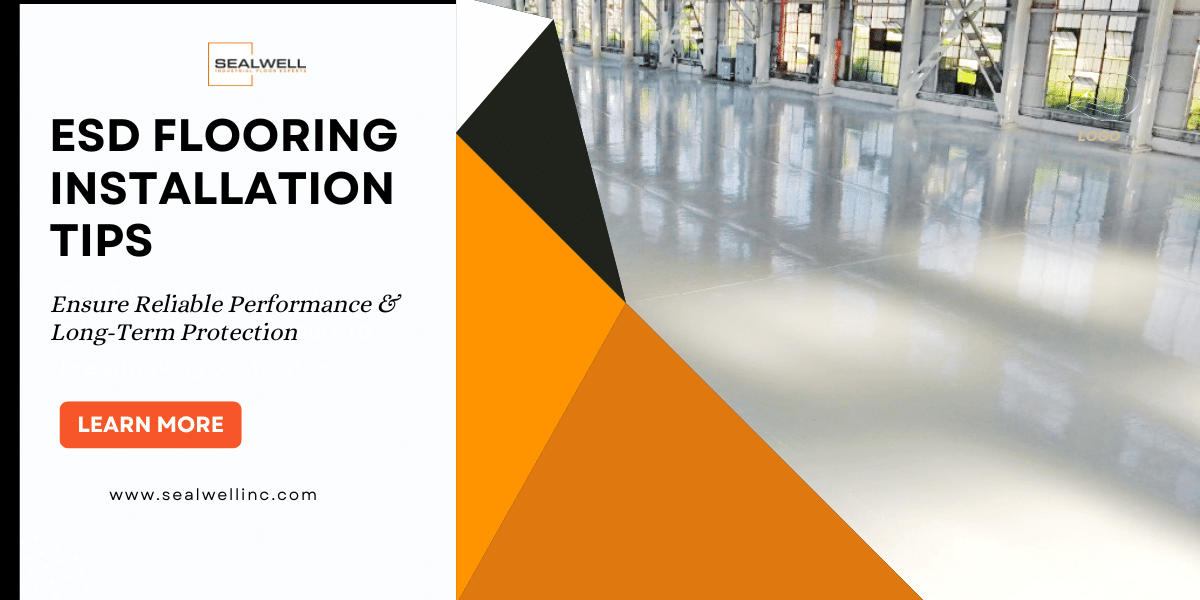
In facilities where sensitive electronics, volatile materials, or precision equipment are used, controlling static electricity is critical. That’s why many industries rely on ESD Flooring to protect people, products, and operations from electrostatic discharge. However, even the highest-quality ESD flooring system can fail if it is not installed correctly. Proper installation plays a major role in ensuring long-term performance, safety, and compliance.
Understanding best practices—and avoiding common installation mistakes—helps businesses get the most value from their ESD flooring investment. Below, we explore proven installation methods and frequent pitfalls to help facility managers make informed decisions.
Why Proper ESD Flooring Installation Matters
ESD flooring is engineered to safely dissipate static charges to the ground. When installed incorrectly, the floor may lose conductivity, become inconsistent, or fail to meet industry standards such as ANSI/ESD S20.20.
Correct installation ensures:
- Consistent static control across the entire surface
- Protection of sensitive electronic equipment
- Reduced risk of workplace hazards
- Long-term durability and performance
- Compliance with industry and safety regulations
Because ESD flooring systems are technical by nature, installation should always be handled by experienced professionals.
Best Practices for ESD Flooring Installation
Following industry best practices ensures your flooring system performs reliably from day one.
- Conduct a Comprehensive Site Evaluation
Every successful ESD flooring project begins with a detailed site assessment. Installers must evaluate the condition of the existing concrete, moisture levels, and environmental conditions before work begins.
Key steps include:
- Moisture testing of the concrete slab
- Inspecting for cracks, uneven areas, or contaminants
- Reviewing temperature and humidity conditions
- Identifying grounding points
A thorough evaluation prevents installation issues and ensures the system is tailored to the facility’s needs.
- Prepare the Substrate Properly
Substrate preparation is one of the most critical steps in ESD flooring installation. A poorly prepared surface can lead to adhesion failure and inconsistent conductivity.
Best practices include:
- Mechanical grinding or shot blasting to create a proper surface profile
- Removing dust, oils, grease, and residues
- Repairing cracks or damaged concrete
- Ensuring the surface is clean, dry, and level
Proper preparation allows the ESD system to bond effectively and perform as intended.
- Install an Effective Grounding System
Grounding is the foundation of ESD performance. Without it, static electricity cannot be safely discharged.
Best grounding practices include:
- Installing copper grounding strips as specified
- Connecting grounding points to the building’s electrical ground
- Ensuring continuity throughout the floor system
- Testing grounding connections during installation
Accurate grounding ensures the floor meets conductivity requirements and functions reliably.
- Maintain Controlled Environmental Conditions
Environmental factors can impact curing and conductivity. Installation should only proceed when conditions fall within manufacturer-recommended ranges.
Key considerations:
- Stable temperatures
- Controlled humidity
- Avoiding drafts or rapid temperature changes
Maintaining the right environment ensures proper curing and consistent performance.
- Follow Manufacturer Application Guidelines
Each ESD flooring system has specific requirements for mixing, application thickness, and curing time.
Installers should:
- Use approved tools and materials
- Apply coatings at consistent thickness
- Allow proper cure times between layers
- Avoid rushing the process
Strict adherence to guidelines ensures optimal durability and electrical performance.
Common Mistakes to Avoid During ESD Flooring Installation
Even small errors can compromise the effectiveness of an ESD flooring system. Below are common mistakes that can lead to failure.
- Skipping Moisture Testing
Ignoring moisture issues is one of the most common and costly mistakes. Excess moisture can cause delamination, bubbling, or loss of adhesion.
Moisture testing helps:
- Identify vapor transmission issues
- Determine if moisture mitigation is needed
- Prevent premature system failure
- Inadequate Grounding
Improper grounding can render the entire flooring system ineffective. Missing or poorly connected grounding strips can result in inconsistent conductivity across the floor.
- Using Incorrect Cleaning or Maintenance Products
After installation, using waxes or harsh cleaners can interfere with conductivity. Maintenance plans should be established using products approved for ESD flooring.
- Rushing the Cure Time
Allowing foot traffic or equipment too soon can damage the surface and compromise electrical properties. Cure times must be respected to ensure long-term performance.
- Failing to Test Conductivity
Conductivity testing should be performed throughout and after installation. Skipping this step can result in undetected performance issues.
Testing ensures:
- Compliance with industry standards
- Uniform static control
- Proper documentation for audits
Long-Term Maintenance Supports ESD Performance
Even after proper installation, ongoing maintenance is essential. Regular cleaning, periodic testing, and controlled environmental conditions help preserve ESD properties over time.
Recommended maintenance practices include:
- Using approved neutral cleaners
- Avoiding wax or polish buildup
- Conducting routine resistance testing
- Maintaining proper humidity levels
A well-maintained ESD floor delivers consistent protection for years.
Why Sealwell Is Trusted for ESD Flooring Installation
Sealwell specializes in high-performance flooring solutions designed for industries where precision and safety matter most. Our team brings extensive experience in evaluating, installing, and maintaining ESD flooring systems across a wide range of facilities.
What Sealwell delivers:
- Expert site assessments
- Precision installation
- Industry-standard testing and documentation
- Minimal downtime solutions
- Long-lasting, compliant flooring systems
We understand the technical requirements of ESD flooring and ensure every project meets strict performance standards.
Get Expert Support for Your ESD Flooring Project
Installing ESD flooring correctly is essential for protecting sensitive equipment, ensuring safety, and maintaining operational efficiency. By following best practices and avoiding common mistakes, businesses can maximize the value and lifespan of their flooring system. Facilities that invest in professional ESD Flooring solutions gain peace of mind and dependable performance.
Feel free to connect with the Sealwell team. Our flooring specialists will provide an onsite visit, a free floor map, and a detailed quote with a clear project timeline.
Sealwell is ready to help you implement a reliable ESD flooring system built for modern industrial environments.
SEALWELL INC
Phone No– +1 (844)-443-2844
Email- in*******@se*********.com
Let’s Connect: www.sealwellinc.com
Our trusted clients: