Blog and News
Delivering Comprehensive Industrial Coating Services That Last
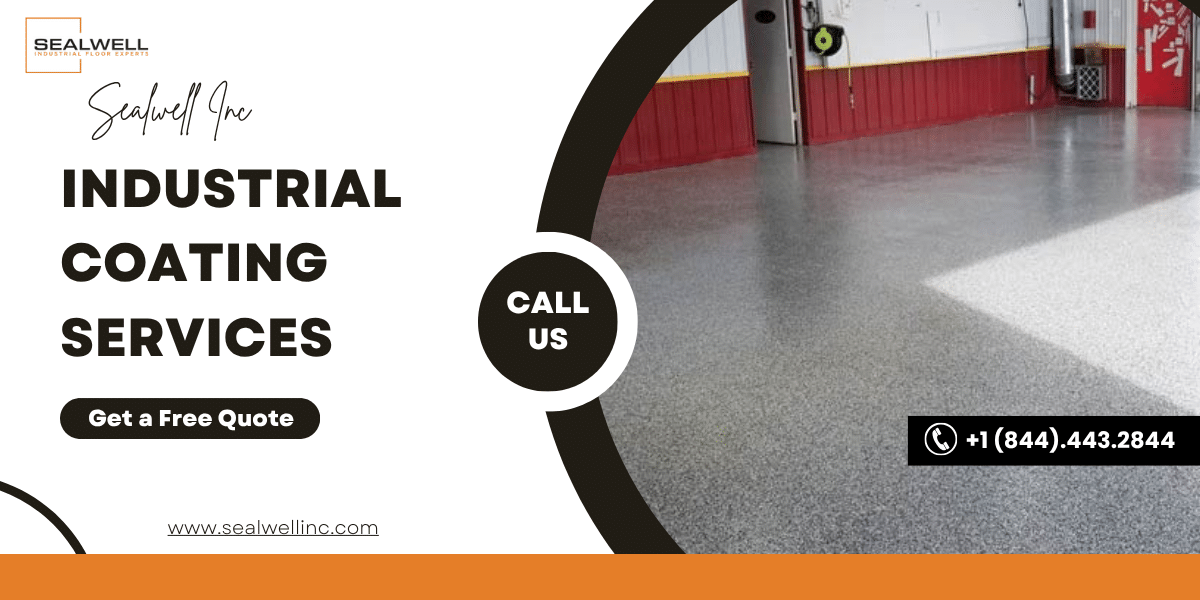
In demanding industrial settings, every surface—from structural steel to concrete flooring—must withstand extreme conditions. At Sealwell, we offer full-spectrum industrial coating services designed not only to protect, but also to enhance performance, safety, and longevity. In this article, we’ll explore what “comprehensive industrial coating services” really means, why it matters, and how to choose a provider you can trust.
Why “Comprehensive” Is More Than a Buzzword
A true industrial coating solution isn’t limited to a single layer of paint. It involves an integrated system of inspection, preparation, application, and ongoing maintenance. Here’s what a full-service provider brings to the table:
- Site Evaluation & Consulting– Understanding environmental exposure, substrate type, chemical loads, and mechanical stresses
- Surface Preparation– Removing old coatings, rust, contaminants, and profiling substrates for adhesion
- Primer Systems & Intermediate Coats– Building adhesion, corrosion protection, and barrier layering
- Topcoats & Specialty Finishes– UV stable, chemical resistant, fire-retardant, or aesthetic layers
- Quality Assurance, Testing & Inspection– Adhesion tests, holiday testing, thickness verification
- Maintenance & Touch-Up Plans– Scheduled inspections, recoats, repairs before failures
Clients often underestimate how much difference good surface prep or inspection makes. But shortcuts there often lead to peeling, blistering, or early failure — turning a “cheap job” into a costly headache.
Core Components of Industrial Coating Services
Here’s a breakdown of essential services that differentiate robust coating solutions from basic ones:
- Substrate Assessment & Diagnostics
Analyzing existing surface condition is critical. Inspect for microcracks, delamination, moisture intrusion, or contaminants. Pinholes or hidden corrosion must be addressed before applying coatings.
- Surface Preparation
Methods may include abrasive blasting, shot blasting, power tool cleaning, chemical stripping, or grinding. The goal: a clean, profile-ready substrate so coatings bond properly.
- Primer & Base Systems
Primers help promote adhesion and provide early corrosion resistance. In multi-coat systems, intermediate layers build thickness and toughness before the final topcoat.
- Advanced Topcoats & Specialty Coatings
Depending on your needs, topcoats may offer:
- Chemical / solvent resistance
- UV / weather protection
- Anti-slip textures or aggregate embedment
- Fire retardancy or intumescent performance
- Abrasion / impact resistance
Selecting the right combination of primers and topcoats is more art than plug-and-play.
- Inspection & Quality Control
Throughout application, checks such as:
- Thickness measurement (e.g. using a dry film thickness gauge)
- Holiday (pinhole) detection
- Adhesion testing (e.g. pull-off)
- Visual inspections
These help confirm the coating meets spec.
- Performance Monitoring & Maintenance
A coating system isn’t “install and forget.” Regular inspections, reapplication, and preventive repairs ensure long-term performance and reduce reactive downtime.
Key Benefits of a Full-Service Coating Approach
When delivered properly, comprehensive coating programs deliver multiple returns:
- Longer Asset Life– Coatings help delay corrosion, erosion, and structural decay
- Reduced Repair Costs– Preventative care avoids expensive replacements
- Higher Safety & Compliance– Coatings designed for non-slip floors, fire safety, or chemical resistance help you meet OSHA, NFPA, or other standards
- Better Aesthetics & Branding– Clean, consistent finishes support facility image and zones safety through color coding
- Minimized Downtime– Fast cure, accurate scheduling, and phased installation let operations continue around coating work
Common Pitfalls & How a Pro Provider Avoids Them
Even the best coatings fail when mishandled. Watch for these red flags:
- Inadequate Surface Prep
Skipping thorough cleaning or neglecting moisture testing leads to poor adhesion. - Wrong Product for the Environment
Applying a general-purpose coating where chemical, thermal, or fire demands exist sets you up for failure. - Poor Scheduling & Coordination
Failing to align your coating work with existing operations or climate conditions can delay cures or cause defects. - No QA or Testing
Without inspections and tests, you risk hidden blisters, pinholes, or early wear going unnoticed. - Lack of Maintenance Strategy
Improper follow-up leads to progressive damage and higher total cost.
A qualified contractor will design your coating plan with all these in mind, not just focus on applying paint.
Choosing the Right Industrial Coating Partner
When selecting a provider, evaluate the following:
- Experience & Portfolio
Look for real industrial work—tanks, plants, pipelines, heavy machinery—not just small commercial jobs. - Technical Credentials & Certifications
Certifications like NACE, SSPC, or ISO standards show a company adheres to industry best practices. - Material Partnerships & Specs
A provider familiar with leading coatings brands (e.g. epoxy, polyurethane, intumescent systems) and able to write custom specifications. - Safety & Compliance Practices
Proper PPE, ventilated application zones, fire risk controls, handling of VOCs—all must be regulation-compliant. - Local Support & Maintenance Capability
After you install the coating, you’ll want a partner who can service and inspect regularly. - Transparent Estimates & Warranties
Clear scope, disclosed materials, timeline, and warranty terms protect both sides.
Innovation & Future Trends
To stay ahead, the coating industry is evolving rapidly. Watch for:
- Smart / Sensor-Embedded Coatings
Coatings that detect moisture, cracks, or corrosion and send alerts - Self-Healing Materials
Embedded microcapsules that release repair agents when damage occurs - Low-VOC & Sustainable Formulations
Green chemistries that reduce environmental impact - Hybrid & Multi-Functional Layers
Combining abrasion resistance, fire retardance, and chemical barriers in one system - Advanced Application Techniques
Methods like thermal spray, cold spray, and robotics optimize coating quality and speed
These trends demand a forward-thinking contractor that stays current.
Why Sealwell Is Your Ideal Industrial Coating Partner
At Sealwell, our service model is built around delivering truly comprehensive solutions:
- We begin with a site and substrate audit, mapping exposure and risk zones.
- Our technicians carry certifications and deep experience in industrial environments.
- We choose material systems not by brand, but by performance and compatibility.
- During application, we maintain rigorous quality control and inspection standards.
- After coating, we offer maintenance contracts and scheduled reviews to catch issues early.
- Safety, transparency, and accountability are non-negotiable in every project.
When you work with us, you’re not just getting a coat of paint—you’re getting a trusted partner in preserving your facility’s performance, safety, and value.
Let’s bring your facility the full protection it deserves. Connect with Sealwell today and get expert guidance, a customized floor plan, and a free quote that meets your schedule.
SEALWELL INC
Phone No– +1 (844)-443-2844
Email- in*******@se*********.com
Let’s Connect: www.sealwellinc.com
Our trusted clients: