
Blog and News
How to Choose Chemical-Resistant Flooring for Industrial Plants
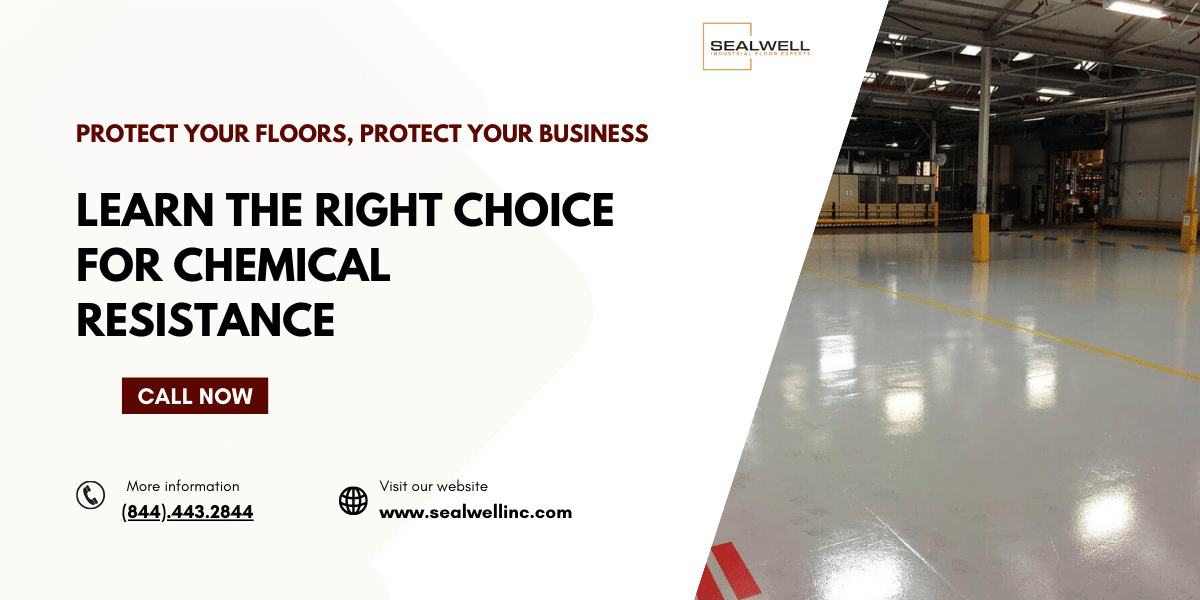
In industrial settings, flooring is more than just a surface to walk on. It’s a critical aspect of the facility that influences business performance, enhances appearance, and safeguards structural integrity. Therefore, selecting the right industrial flooring is crucial for achieving both operational efficiency and long-term durability.
Industrial plants usually operate in environments highly exposed to harsh chemicals, acids, solvents, and other corrosive substances. Without the right protective flooring, these chemicals can cause structural damage and lead to safety hazards, which in turn increase overall maintenance costs.
Are these challenges sounding familiar? This guide will help you identify the right flooring materials that not only withstand chemical exposure but also enhance the quality of the surface.
Why Chemical Resistance Matters in Industrial Flooring
Whether it is about a manufacturing plant, food & beverage processing unit, or pharmaceutical facility, poor flooring can lead to:
- Cracks and surface erosion
- Contamination risks
- Safety hazards due to slippery or uneven surfaces
- Costly repairs and operational downtime
The best way to prevent these consequences is by installing a flooring system specifically designed to resist chemical exposure.
Factors to Consider When Choosing Chemical-Resistant Flooring
Here’s what to consider when selecting the right flooring option for your industrial facility.
1.Identify types of chemicals used: Industrial spaces often have to deal with different types of chemicals. These can be acids, alkali, solvents, etc. Each of these can interact differently with flooring materials. Hence, understanding the specific types, concentrations, and frequency of exposure is essential for selecting a flooring system. It helps determine the right level of protection.
For example, you can consider epoxy coating for all business environments, but epoxy novolac is preferred when handling highly concentrated acids or solvents.
2. Mechanical and thermal resistance: Your floor should not just withstand chemicals; it should also have the ability to resist heavy equipment loads, thermal shocks, and impacts. This ensures the surface durability and long-term performance in demanding scenarios.
3. Slip resistance: In a business space, workers’ safety is equally beneficial as your company’s outlook. Look for a flooring material that maintains strong traction even when exposed to oil, moisture, grease, or other slippery substances. This helps reduce the risk of slips and falls, preventing workplace accidents.
4. Hygiene and easy maintenance: Industries, especially those that are related to food and pharmaceuticals, need to maintain a healthy work environment. A seamless and non-porous flooring material can help prevent moisture penetration to the surface and inhibit bacterial growth. This makes cleaning easier and helps uphold strict hygiene standards.
5. Compliance with industry regulations: Every business should meet relevant safety and hygiene standards to ensure a healthy and safe work environment. Select a flooring material that complies with OSHA guidelines and, where applicable, meets FDA regulations to ensure your facility stays fully compliant.
Popular Chemical-Resistant Flooring Options
- Epoxy flooring – Creates a seamless, non-porous surface that resists harsh chemicals and provides excellent durability.
- Polyurethane flooring – A flexible, durable system known for faster curing times, high chemical resistance, and UV stability.
- Polished concrete flooring – A cost-effective solution that withstands heavy traffic and fluctuating temperatures while offering a sleek, low-maintenance finish.
Installation & Maintenance Tips
No matter how strong and efficient the flooring material is, without proper installation and regular maintenance, you can’t expect the desired performance. Here’s what to consider for quality results.
- Hire professional installers experienced in industrial flooring systems.
- Ensure proper surface preparation for maximum adhesion.
- Schedule regular inspections to detect early signs of wear.
- Clean spills immediately to maintain flooring integrity.
Wrapping Up
The right chemical-resistant flooring option can help balance chemical protection, durability, safety, and regulatory compliance. So, it’s better to understand your facility’s unique challenges and select materials that can significantly extend your floor’s lifespan.
Still confused? Meet the flooring experts of Sealwell for a consultation and get a tailored solution for your business setting.
SEALWELL INC
Phone No– +1 (844)-443-2844
Email- in*******@se*********.com
Let’s Connect: www.sealwellinc.com
Our trusted clients: